Car prompts by age
“Use this prompt” fills in the generator and sets the detail level. Every page is drawn fresh, so if one misses, change one detail and try again.
| For | Prompt | Action |
|---|---|---|
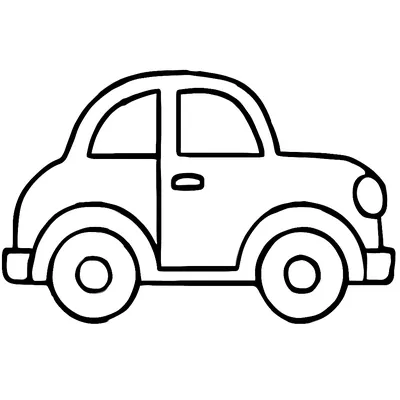
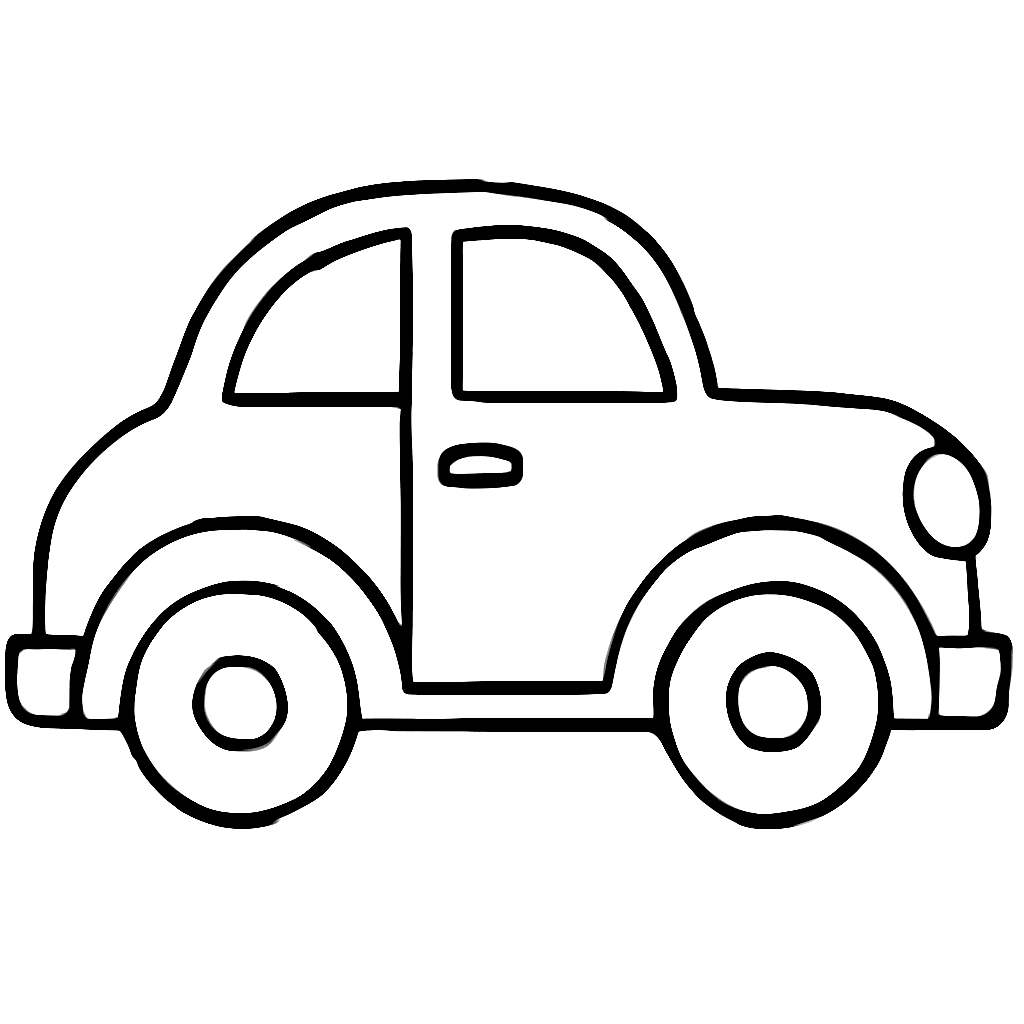
| Ages 2 to 5Simple | a classic car seen from the side with round headlights and big wheels, no face, no letters, big simple shapes, no background Round wheels and headlights in big shapes. “No face” keeps it a real car rather than a cartoon character. |
|
| Ages 4 to 7Simple | a fire truck with a long ladder and big wheels, no letters, big simple shapes, no background A favorite vehicle for small children, with ladder rungs to count. |
|
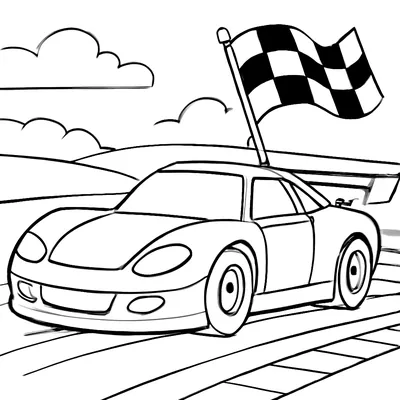
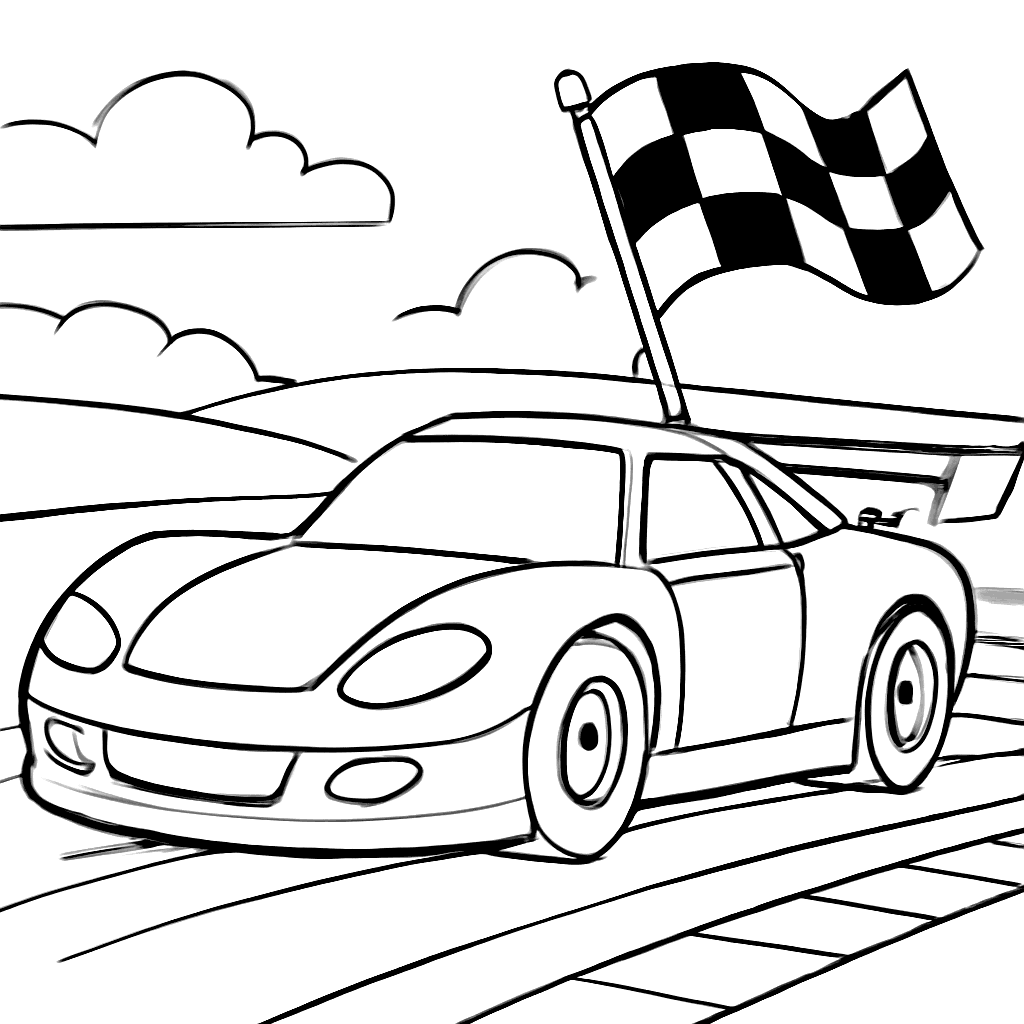
| Ages 6 to 9Medium | a race car speeding on a track with a checkered flag, no numbers or letters on the car, no face, clean bold outlines The car comes without numbers, so each child can paint on a race number of their own. |
|
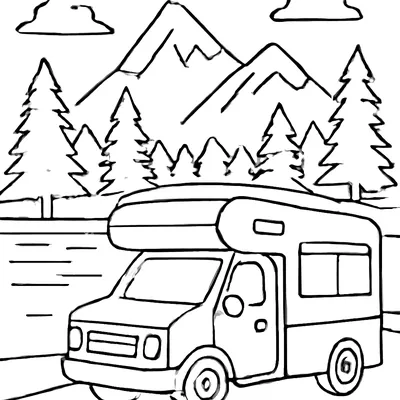
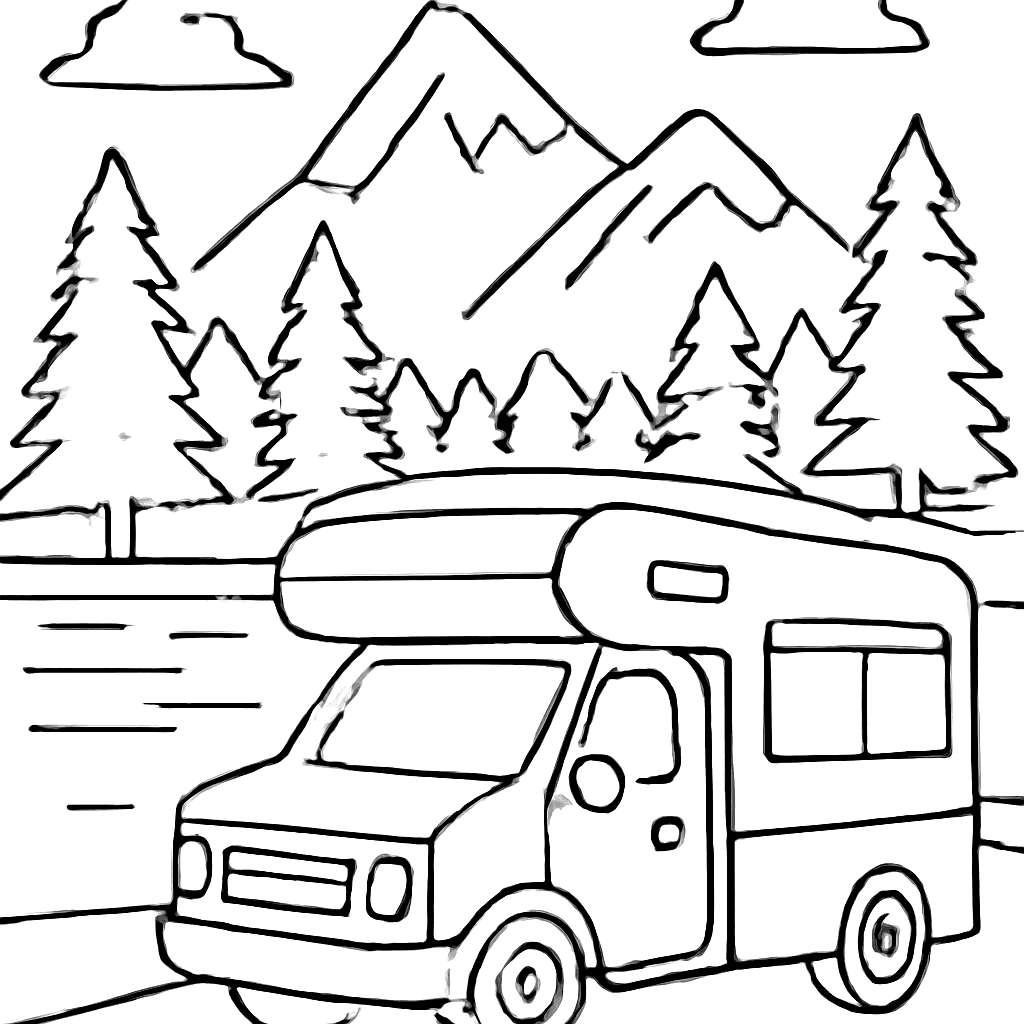
| Ages 9 to 12Medium | a camper van parked by a lake with pine trees and mountains behind, no letters, clean bold outlines A road-trip scene with a whole landscape to color. |
|
| Teens and adultsMedium | a vintage car from the 1920s with spoked wheels, a folding roof and running boards, no letters, clean bold outlines Spokes, lamps and running boards give older children and adults plenty of detail. |
Keep the car a car
If you want a real car rather than a cartoon character, two habits keep the page clean:
- Add “no face” to the prompt, so the headlights stay headlights.
- Add “no letters” or “no numbers”. The generator cannot be relied on to spell, so a race number or a name on the door is best written in by hand.
The car that put families on the road
Ford Motor Company introduced the Model T on 1 October 1908, at $850, cheap for its day. The 15 millionth Model T came off the Highland Park assembly line on 26 May 1927, and by then Model Ts were being made in 19 other countries (The Henry Ford). A page of a car from the 1920s next to a modern car makes a good before-and-after lesson.
A buckle-up page for young passengers
NHTSA, the US road safety agency, advises keeping children in the back seat at least through age 12, and in a booster seat until the seat belt fits: the lap belt across the upper thighs, not the stomach, and the shoulder belt across the shoulder and chest, not the neck or face (NHTSA).
Color a car seen from the side with its windows showing the back seat, and let children draw themselves in it, buckled up the right way.