Animal prompts by age and use
“Use this prompt” fills in the generator and sets the detail level. Every page is drawn fresh, so if one misses, change one detail and try again.
| For | Prompt | Action |
|---|---|---|
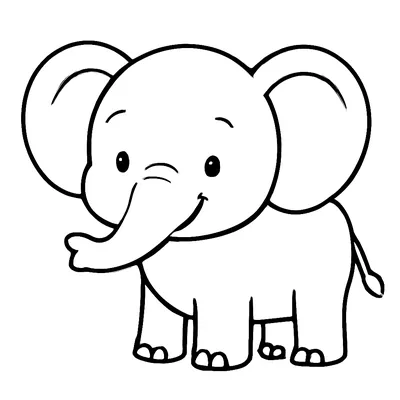
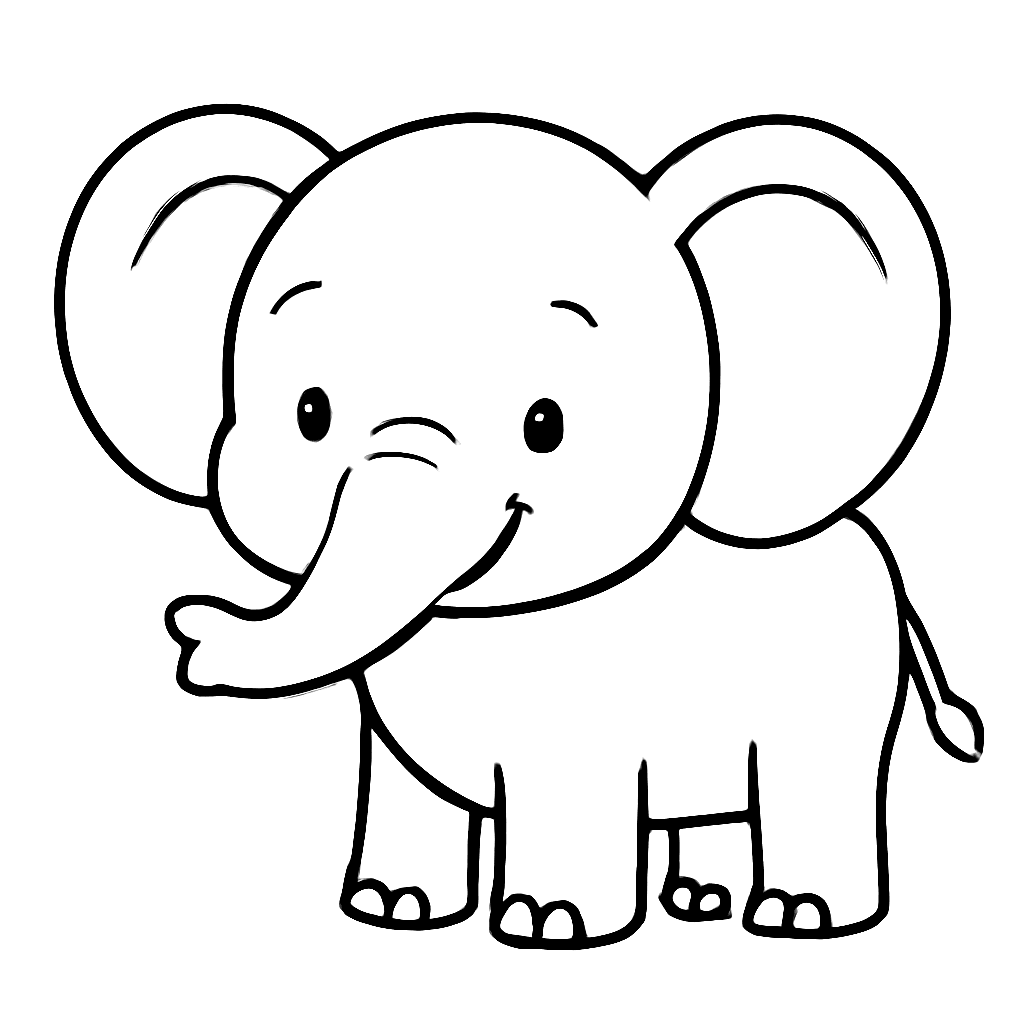
| Ages 3 to 5Simple | one smiling cartoon elephant, big simple shapes, no background One animal filling the page is the easiest start. |
|
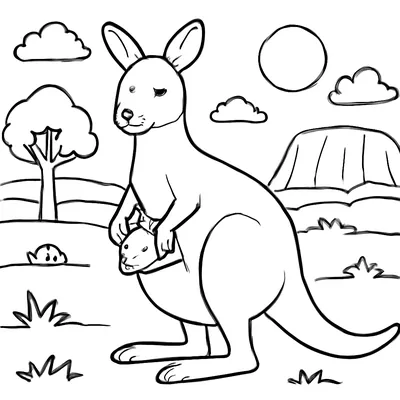
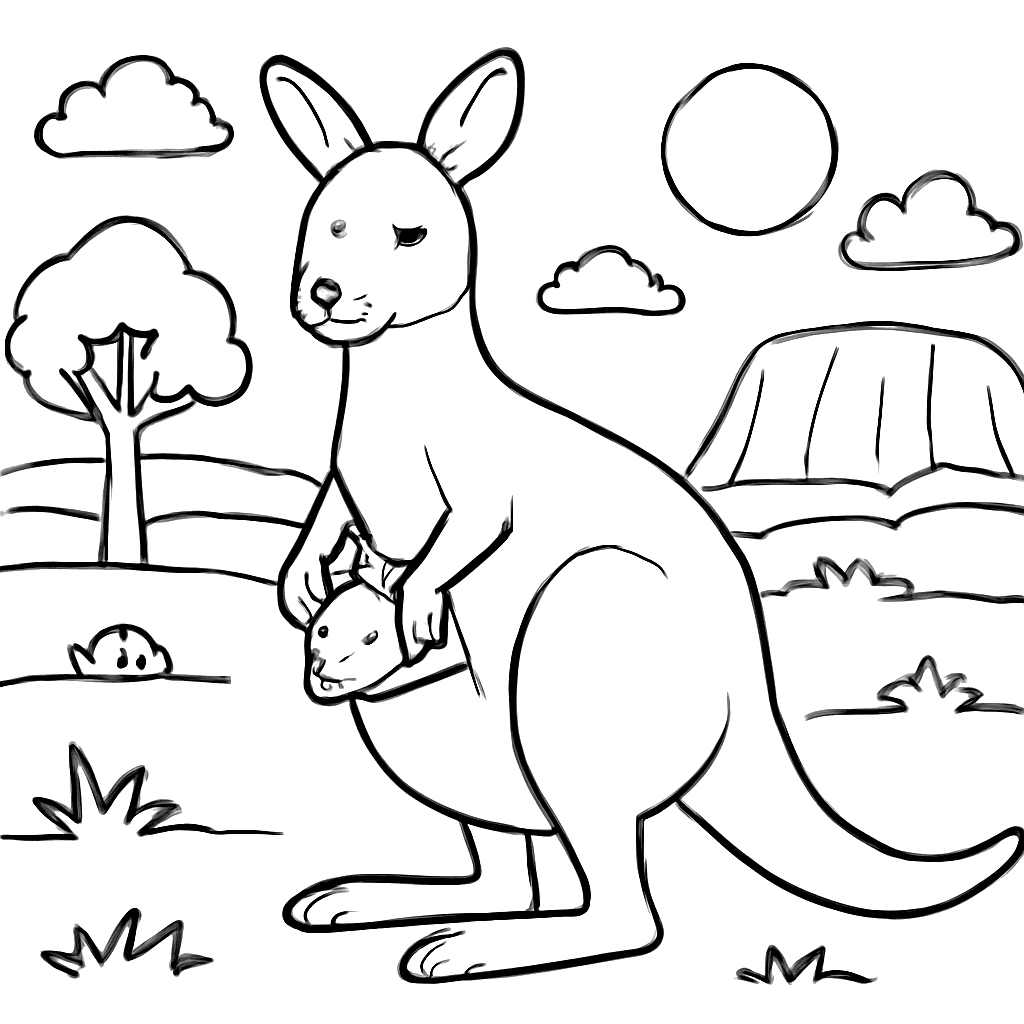
| Ages 6 to 9Medium | a mother kangaroo with a joey peeking out of her pouch, Australian outback A parent and baby, with a habitat to color around them. |
|
| Science classMedium | butterfly life cycle in four stages arranged in a circle: eggs on a leaf, caterpillar, chrysalis, butterfly, with an empty label box under each stage Empty boxes let students write the stage names themselves. |
|
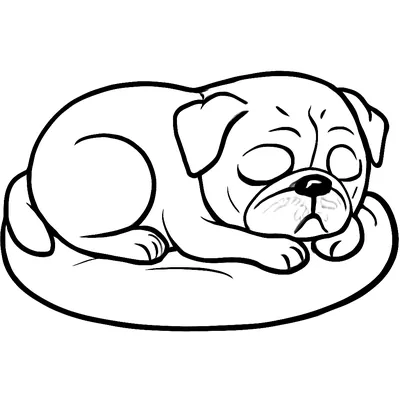
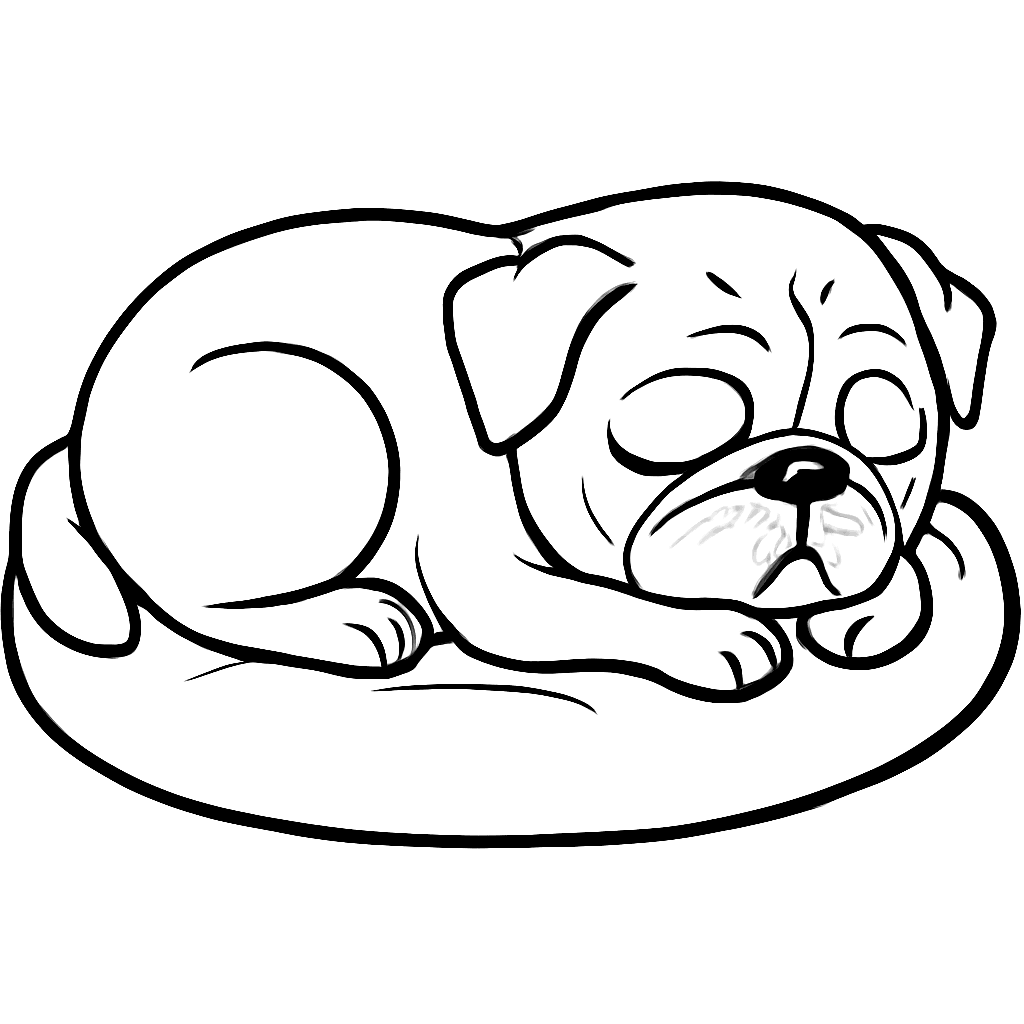
| Pet portraitMedium | a pug with a curly tail and a red collar asleep on a round cushion Describe your own pet's features the same way. |
|
| Teens and adultsDetailed | realistic tiger portrait with detailed fur and the stripes drawn as outlines Outlined stripes turn the markings into spaces to color. |
Animals with black markings
Zebras, pandas, penguins, orcas and dalmatians are favorites, and they share a problem: in life, large parts of them are black. Drawn that way, the page has little left to color and uses a lot of ink. Ask for the markings as outlines and the child chooses the colors, black or otherwise.
| Animal | Add to the prompt |
|---|---|
| Zebra | stripes drawn as outlines, not filled |
| Giant panda | eye patches, ears and legs drawn as outlined shapes |
| Penguin | back and head outlined, white front |
| Orca | black areas outlined, white eye patch |
| Dalmatian | spots drawn as outlined circles |
| Black cat | drawn in outline, white background |
Life cycles and habitats for science lessons
Butterflies go through four stages: egg, larva (the caterpillar), pupa (the chrysalis) and adult (Florida Museum of Natural History). Frogs go from eggs to tadpole to froglet to adult, and tadpoles grow their back legs before their front legs (The Nature Conservancy). Ask for the stages in a circle with an empty label box under each, so students write the names.
For a habitat unit, make one page per habitat:
- Arctic: a polar bear, an Arctic fox and a snowy owl on sea ice
- Rainforest: a sloth, a toucan and a tree frog in the canopy
- Savanna: a giraffe and zebras under an acacia tree
- Coral reef: a sea turtle, an octopus and clownfish among coral
- Desert: a camel and a fennec fox by a date palm oasis
Pet portraits from a description
The generator works from words, not photos, so describe your pet the way you would to someone who has never met it: breed or mix, ear shape, tail, coat pattern (as outlines), collar or bandana, a favorite toy, where it sleeps. “A scruffy terrier mix with one ear up and one ear down, wearing a striped bandana, sitting by a red ball” gives the generator far more to go on than “a dog”.