Fairy prompts by age
“Use this prompt” fills in the generator and sets the detail level. Every page is drawn fresh, so if one misses, change one detail and try again.
| For | Prompt | Action |
|---|---|---|
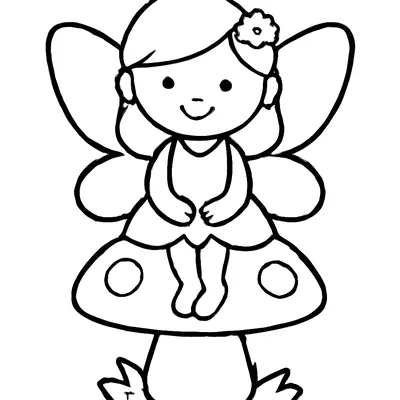
| Ages 2 to 5Simple | a little fairy with butterfly wings sitting on a mushroom, big simple shapes, no background Butterfly wings and a spotted mushroom: big shapes for small hands. |
|
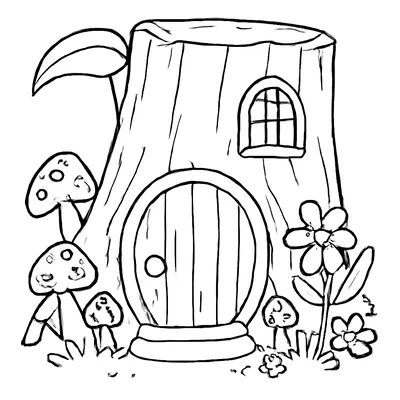
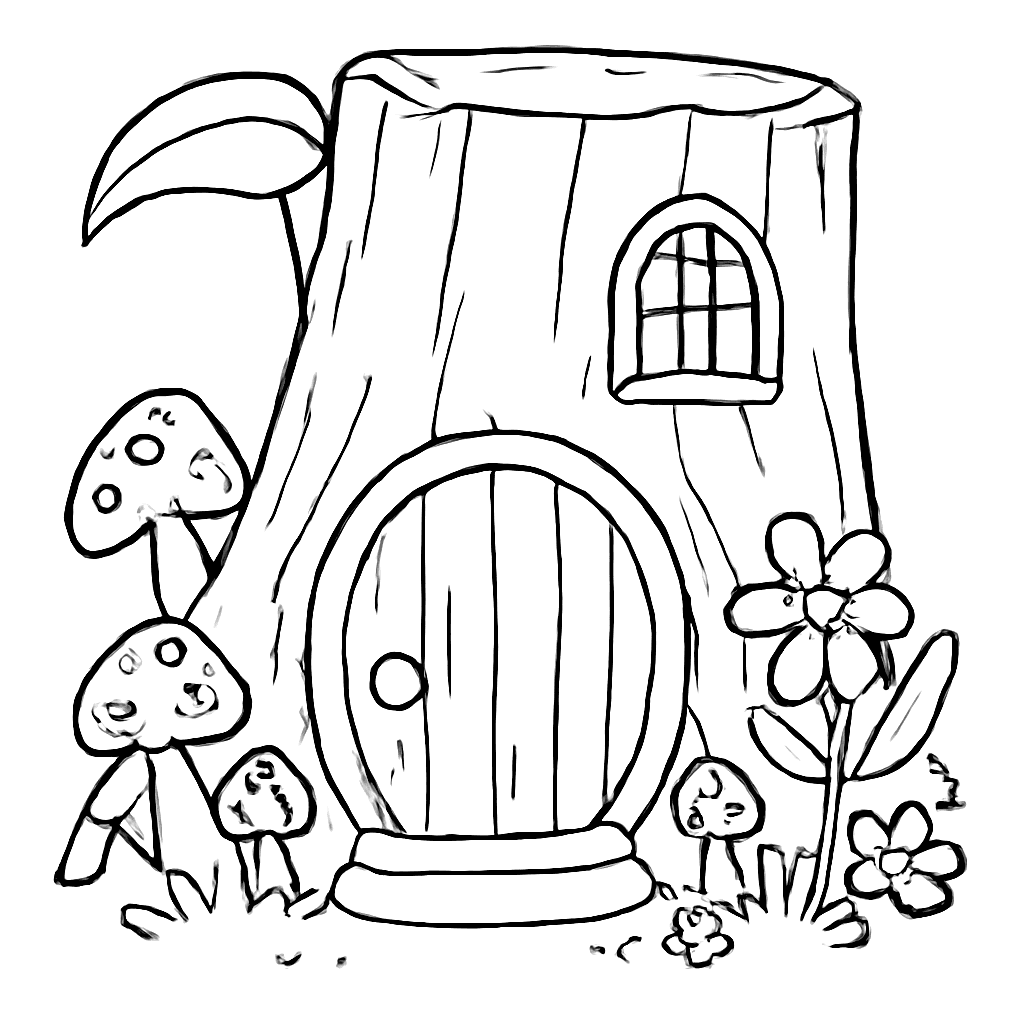
| Ages 4 to 7Medium | a fairy house built into a tree stump with a round door, tiny windows, mushrooms and flowers around it, clean bold outlines A house with nobody home yet, so children can draw their own fairy at the door. |
|
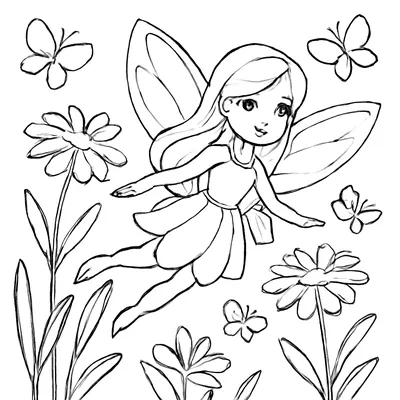
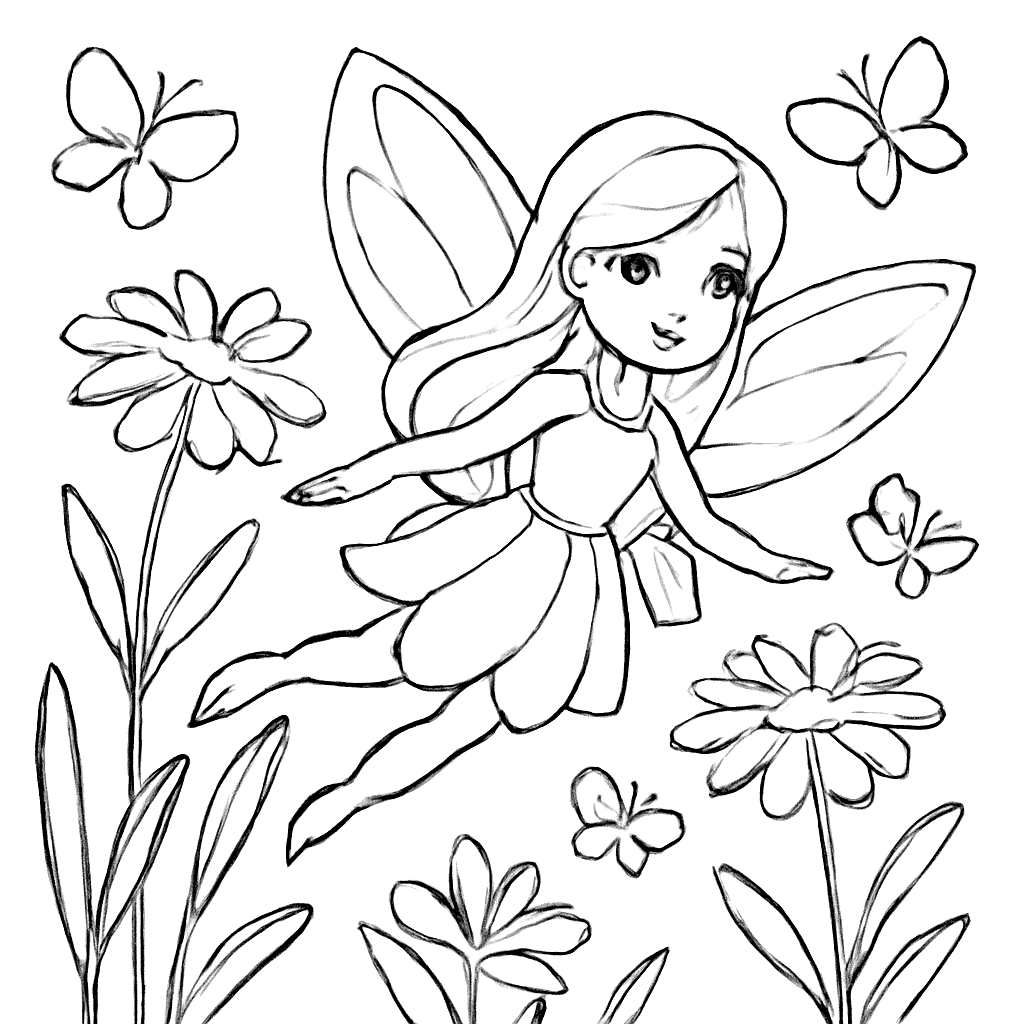
| Ages 6 to 9Medium | a fairy with long hair and petal-shaped wings flying among tall flowers and butterflies, clean bold outlines A flying figure among flowers, with wings to color like petals. |
|
| Ages 9 to 12Medium | a fairy garden with foxgloves, a hawthorn tree, a tiny bridge and a fairy door, clean bold outlines The plants folklore says fairies hold dear (see below). |
|
| Teens and adultsMedium | a fairy sitting on a crescent of leaves, her wings patterned like stained glass, clean bold outlines Stained-glass wings give adults dozens of small shapes. |
Plan a fairy garden on paper
- Start with the house. Print the tree-stump house and draw a path to its door.
- Add the plants. Folklore holds that hawthorn trees, foxglove and groundsel are so dear to fairies that harming them may anger the fairies (Britannica), so draw them around the house and keep them safe.
- Finish with a fairy. Children draw their own fairy at the door, or color the flying fairy and cut it out.
What folklore says fairies are like
In folklore a fairy can be many things: a small creature with green clothes and hair living underground, a delicate winged figure in white who lives in fairyland, or a tiny protective sprite by the household hearth. Fairies were said to be anything from human size down to 3 inches (7.5 cm) tall, and fairy lore is especially strong in Ireland, Cornwall, Wales and Scotland (Britannica).
That gives three different pages to make: describe each kind and see which one children like best.