Nativity prompts by age
“Use this prompt” fills in the generator and sets the detail level. Every page is drawn fresh, so if one misses, change one detail and try again.
| For | Prompt | Action |
|---|---|---|
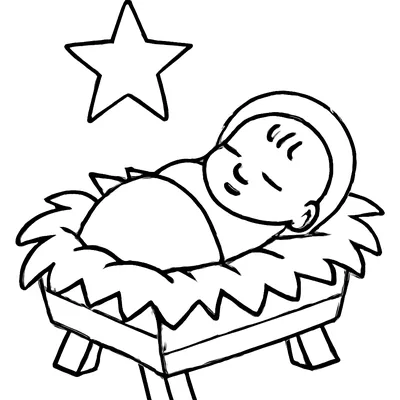
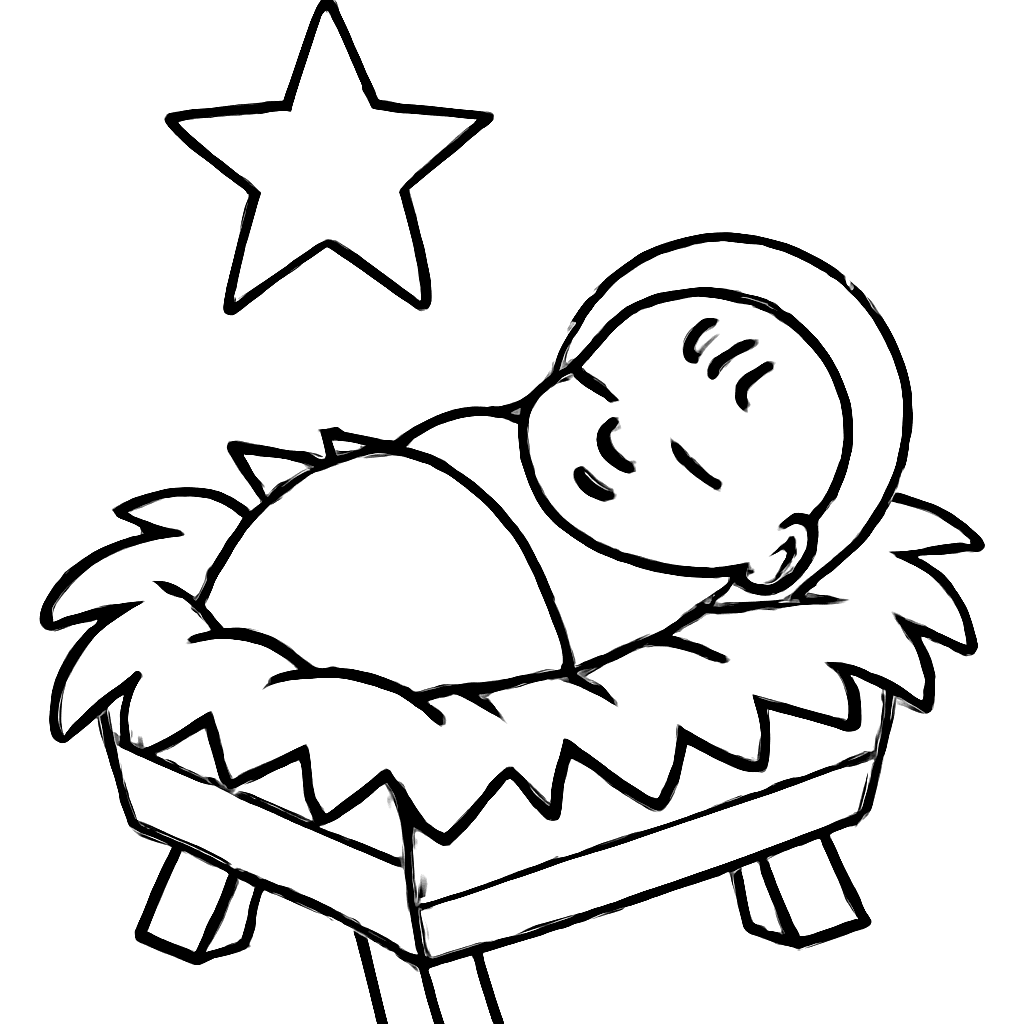
| Ages 2 to 5Simple | baby Jesus asleep in a wooden manger filled with hay, a bright star above, big simple shapes, no background One gentle figure, the hay and a star: the story on a single page. |
|
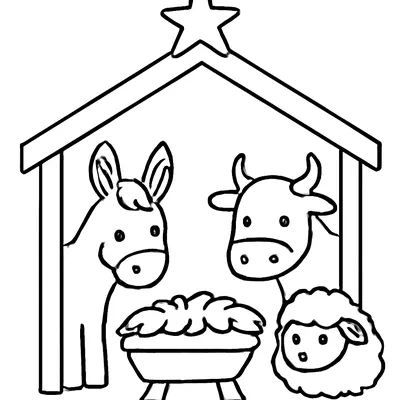
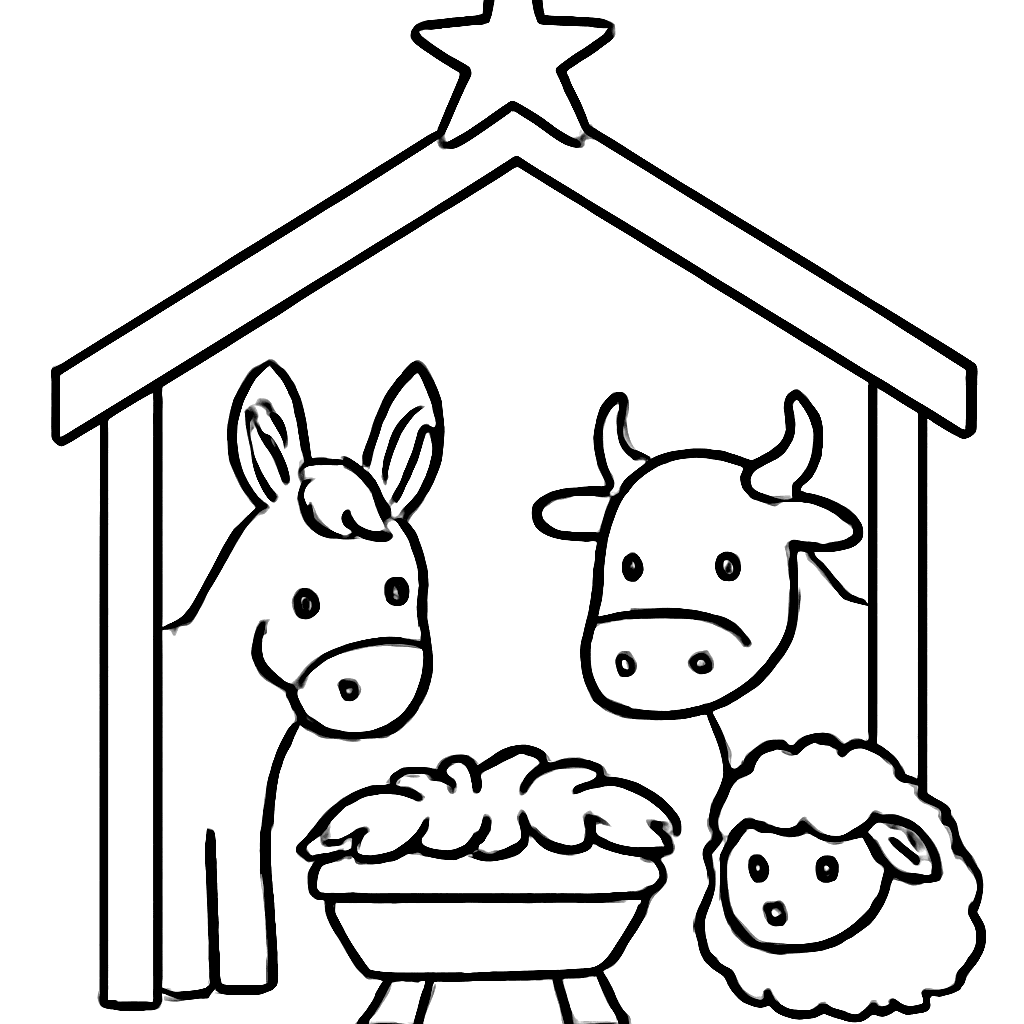
| Ages 3 to 6Simple | the stable at Bethlehem with an empty manger full of hay, a donkey, an ox and a sheep, a star above the roof, big simple shapes Animals young children can name, each one a large shape to color. |
|
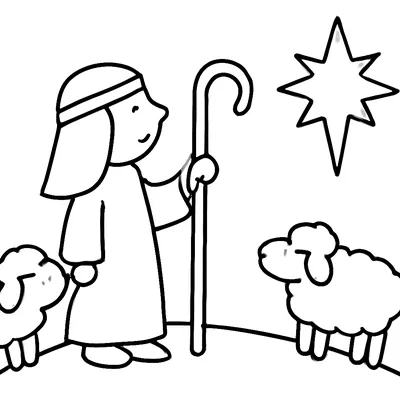
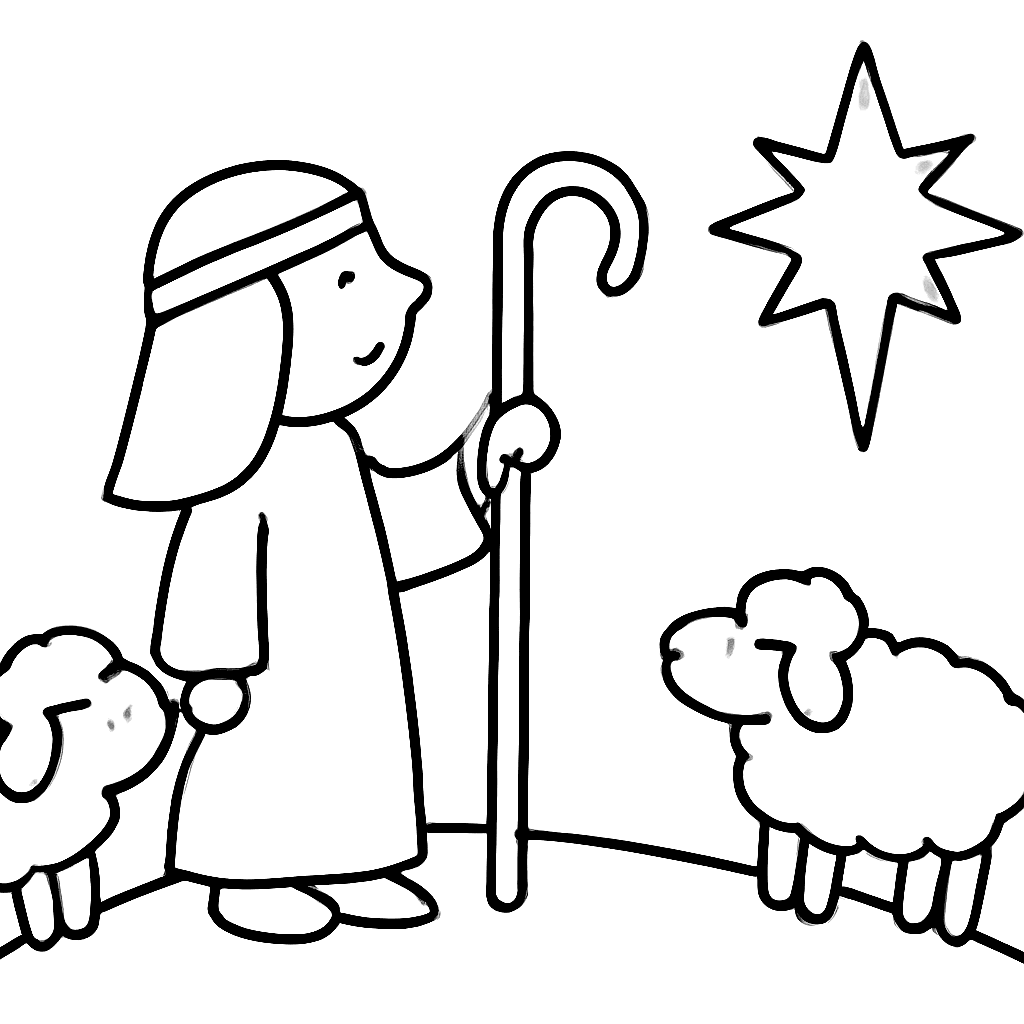
| Ages 6 to 9Medium | shepherds with their sheep on a hillside at night, an angel above them, moon and stars drawn as outlines Luke's Gospel puts the shepherds in the fields at night (Luke 2:8). Outlined stars keep the sky white. |
|
| Sunday schoolMedium | a nativity scene in a stable: Mary and Joseph beside baby Jesus in the manger, a donkey, an ox, two shepherds with a lamb and a star above the roof, gentle faces, clean bold outlines Every figure is named, so none is left out. Look at the faces on screen before you print a class set. |
|
| Ages 9 and upMedium | three wise men on camels crossing the desert toward a bright star, seen from a distance, clean bold outlines, white sky Figures seen from a distance have small, simple faces, and the camels and dunes give older children plenty to color. |
The story in six pages
The nativity story comes from two Gospels. Luke tells of the journey to Bethlehem, the manger and the shepherds (Luke 2), and Matthew of the star, the magi and their gifts (Matthew 2). These six scenes follow both in order. Choose one to put it in the generator, on Simple for younger children and Medium for older ones.
From Luke 2
From Matthew 2
Six pages take three days on the free plan (2 a day), so a family can start on a weekend in December and finish well before Christmas. For one page a day from 1 to 24 December, use the Advent plan on the Christmas coloring pages.
Where the ox and the donkey come from
Neither Luke nor Matthew mentions an ox or a donkey in the nativity story. Luke says that Mary wrapped the baby in swaddling clothes and laid him in a manger, “because there was no room for them in the inn” (Luke 2:7), and a manger is a feeding trough for animals (USCCB notes on Luke 2).
The animals came into the scene through Saint Francis of Assisi. For Christmas 1223 he prepared a nativity scene in Greccio, a small town in Italy, and when he arrived he “found a manger full of hay, an ox and a donkey”. There were no statues: the people who were there enacted the scene themselves. Pope Francis tells the story in his 2019 letter on the nativity scene, and adds that its Italian name, presepe, comes from the Latin praesepium, meaning manger (Admirabile signum).
Three gifts, and how many wise men?
Matthew writes that magi from the east followed a star to the place where the child was and, on entering the house, offered him gifts of gold, frankincense and myrrh (Matthew 2:9 to 11). He names three gifts but does not say how many magi there were. Old Testament verses later led readers to think of them as kings (USCCB notes on Matthew 2), and Pope Francis's letter speaks of placing the statues of the Three Kings in the crèche as the feast of Epiphany approaches.
That makes a good question for a class to color around: draw the three gifts on one page, and ask the children how many visitors they think brought them.
Keep the faces gentle
When we made the examples on this page, the faces were what most often went wrong. On a nativity page they matter most, so a few habits help:
- Add “gentle faces” or “peaceful faces” to any prompt with people in it.
- For scenes with many people, ask for figures “seen from a distance”, so each face is small and simple.
- Look at every face on screen before you print. If one looks odd, generate the page again rather than printing it for a class.