Thanksgiving prompts by age
“Use this prompt” fills in the generator and sets the detail level. Every page is drawn fresh, so if one misses, change one detail and try again.
| For | Prompt | Action |
|---|---|---|
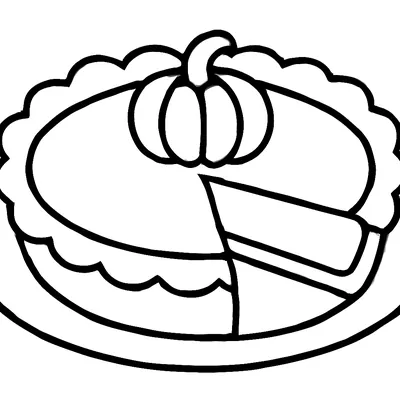
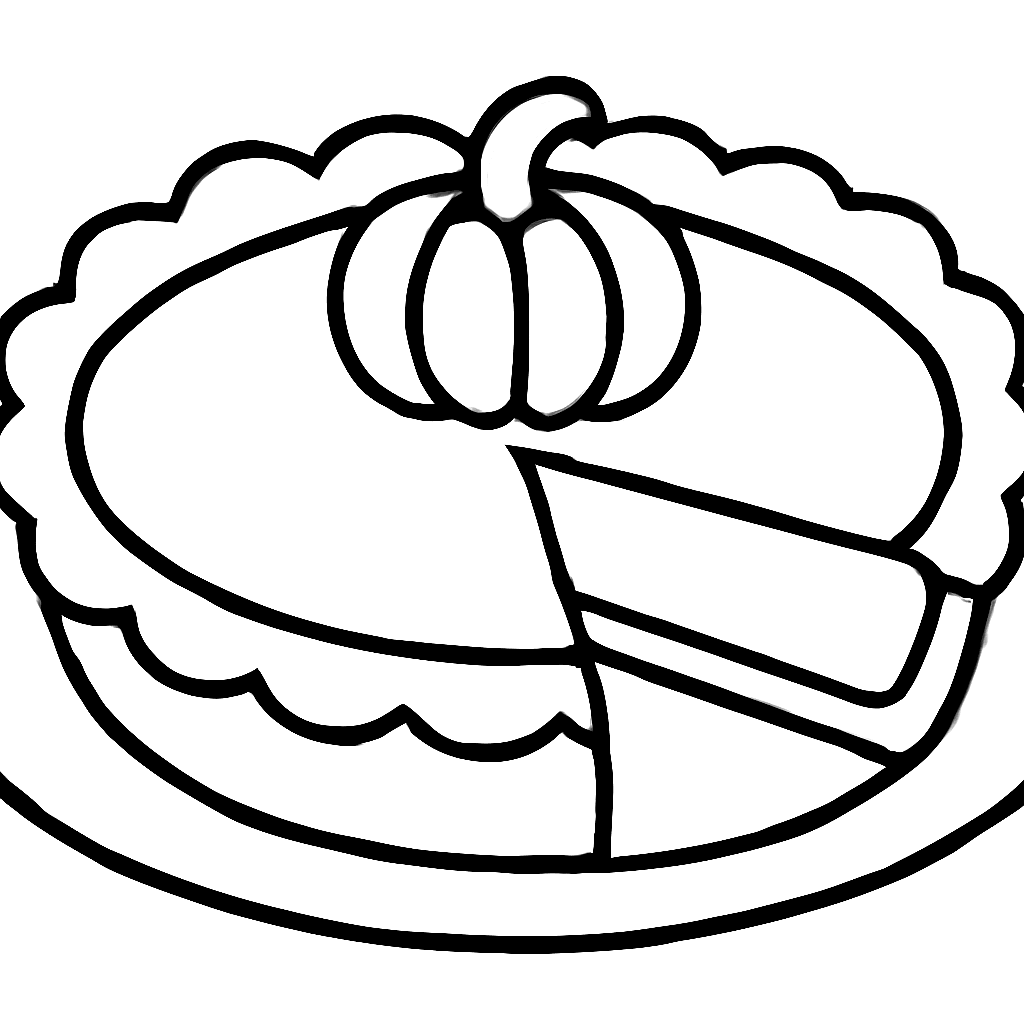
| Ages 2 to 5Simple | a pumpkin pie on a plate with one slice cut out, big simple shapes, no background One food every child at the table knows, in a few large shapes. |
|
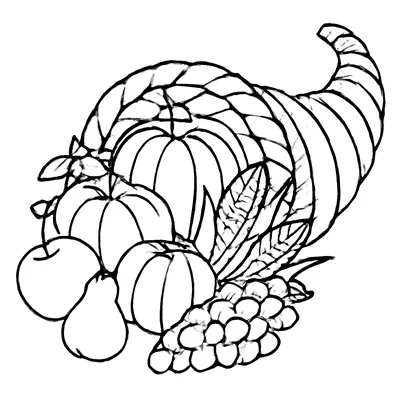
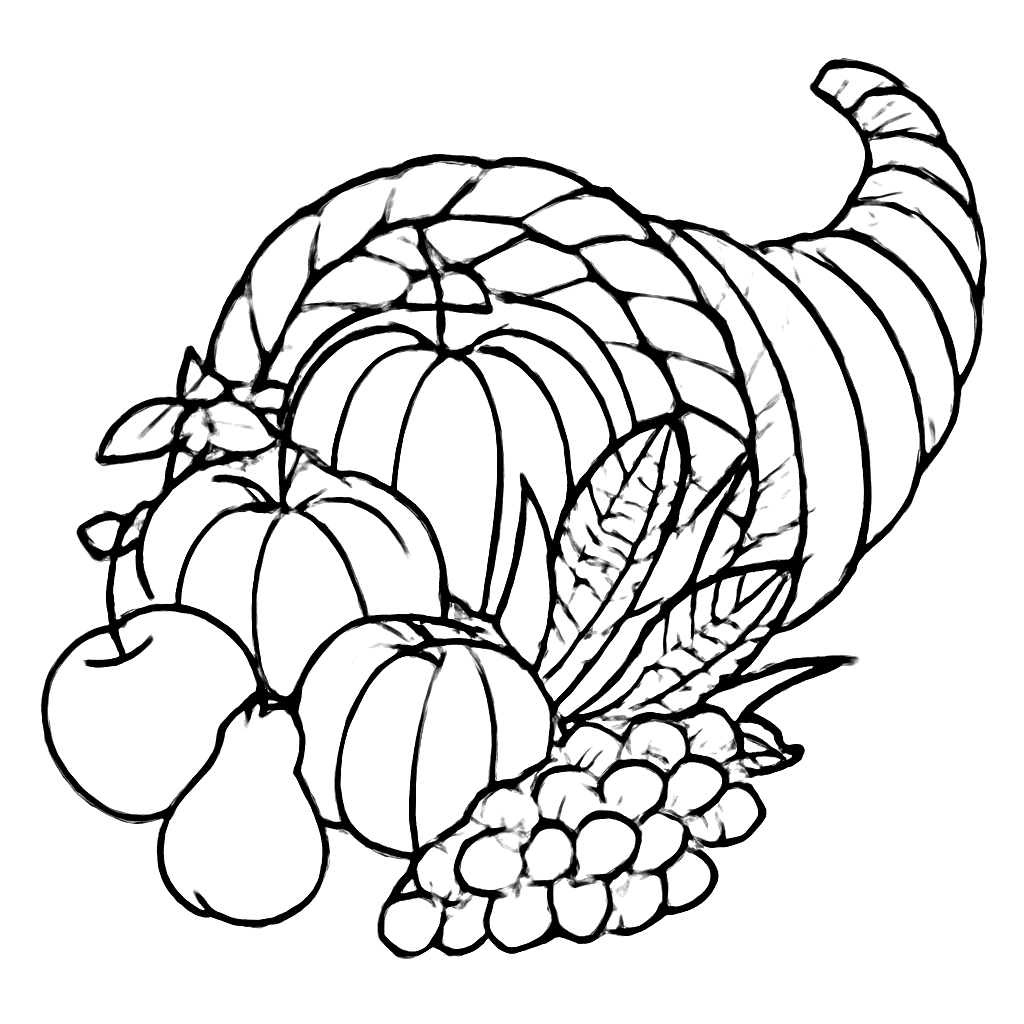
| Ages 6 to 9Medium | a cornucopia overflowing with pumpkins, apples, corn, pears and grapes The horn of plenty is full of separate fruits, so a child can color it one piece at a time. |
|
| Ages 6 to 9Medium | a harvest wagon full of pumpkins, corn and hay bales on a farm road, clean bold outlines A farm scene with no people, which keeps the page about the harvest. |
|
| Class activitySimple | a bare tree with a thick trunk and ten empty leaf shapes on its branches, big simple shapes, no background A thankful tree: each child writes one thing they are thankful for in a leaf (see below). |
|
| History lessonMedium | a Pilgrim family in plain wool coats, linen caps and wide-brimmed felt hats standing beside a pumpkin patch, clean bold outlines Everyday clothes from the colony, which a child can color in many colors (see below). |
|
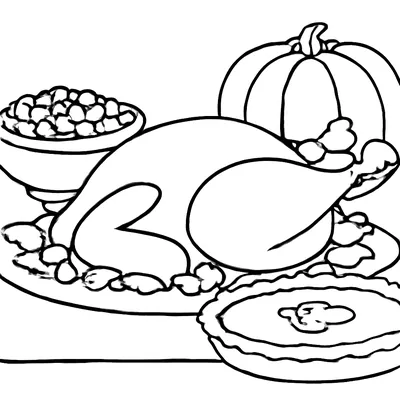
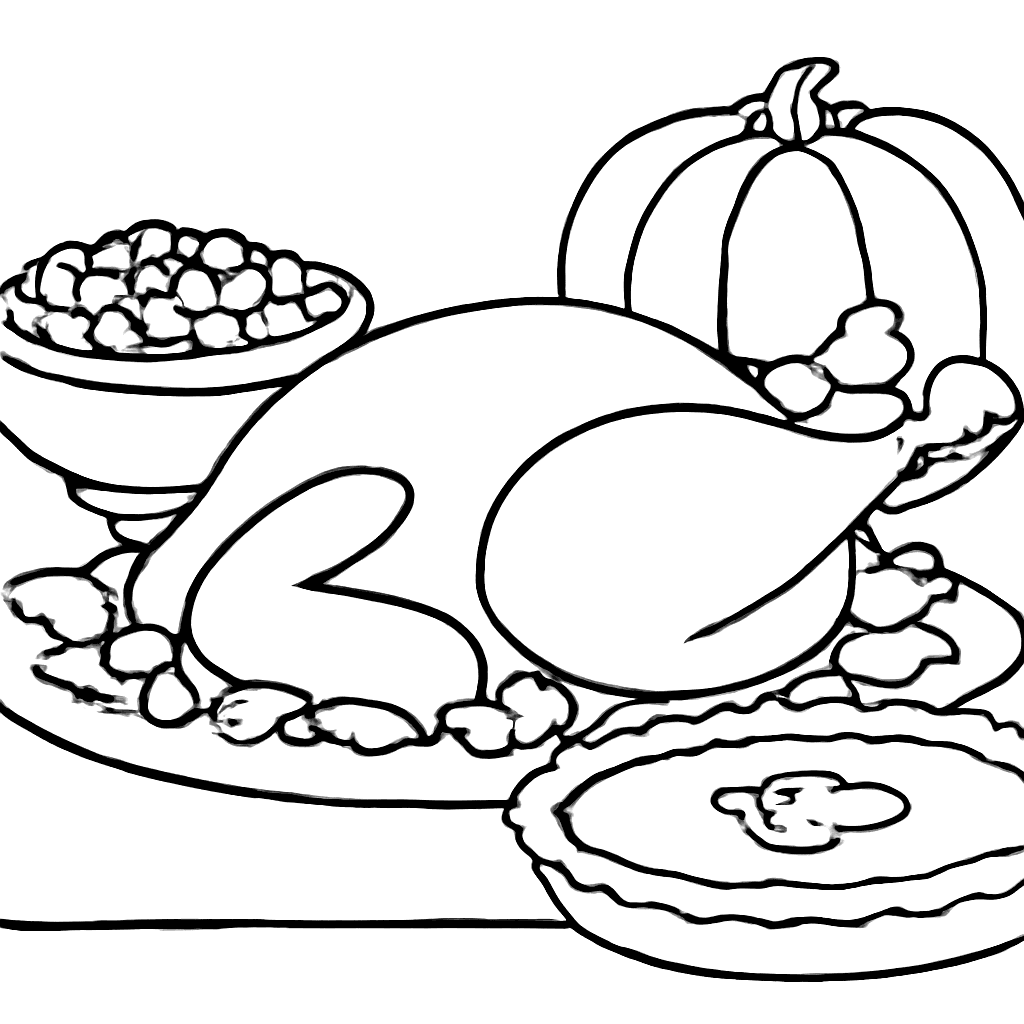
| Teens and adultsMedium | a Thanksgiving table with a roast turkey on a platter, a pumpkin pie and a bowl of corn, clean bold outlines, no people A full table gives adults dishes, textures and table linen to fill. |
Coloring pages for the kids' table
A coloring page at each place keeps younger guests busy while the food is carved and passed. Plan it like the seating:
- One page per child, by age. A pie or a single turkey for the under-fives, a cornucopia or a harvest wagon for six- to nine-year-olds.
- Tape it down. A piece of tape at two corners stops the page from sliding, and it works as a place card if you write the child's name at the top.
- Start a few days early. Eight different pages take four days on the free plan (2 a day). Or make one page and photocopy it.
A thankful tree for a class or a family
Print the bare tree with empty leaves from the prompts above. Each child writes or draws one thing they are thankful for in a leaf, then colors the tree. For a class display, give every child a copy and pin the trees up together. For a family, pass one copy around the table and let everyone fill a leaf.
What happened in 1621
In the fall of 1621, after their first harvest, the English colonists at Plymouth held a harvest celebration. Massasoit, a leader of the Wampanoag, came with about 90 of his men, and they joined the English for three days of feasting and entertainment. It took place sometime between 21 September and 9 November 1621, and only in the 19th century did it become known as the “First Thanksgiving” (Plimoth Patuxet Museums).
For a history lesson, a page of the harvest itself, with corn, squash and beans, teaches more than a page of costumes.
What the Pilgrims wore
A Pilgrim page does not have to be black and white. Plimoth Patuxet Museums notes that in the 1620s people's best clothes were often black, and that portraits were painted of people in their best clothes. Black dye was costly, though, so everyday clothes were made in many colors.
Everyone wore something on the head: men and boys wore wool caps or felt hats, and women wore linen caps under felt hats. The felt hats had wide brims to shade the face from the sun and keep it dry (Plimoth Patuxet Museums). The Pilgrim prompt above asks for exactly those clothes.
Why it is always a Thursday in November
President Lincoln's 1863 proclamation made Thanksgiving a yearly holiday on the last Thursday of November. In 1941 Congress fixed it on the fourth Thursday instead, because some Novembers have five Thursdays (National Archives). In 2026 that is Thursday 26 November, a federal holiday in the United States (OPM).